How to Disappear From the Internet: Escaping the Panopticon
You can delete your profiles in an afternoon. Erasing the copies in data brokers and model weights is another matter, which is why the real exit is upstream.
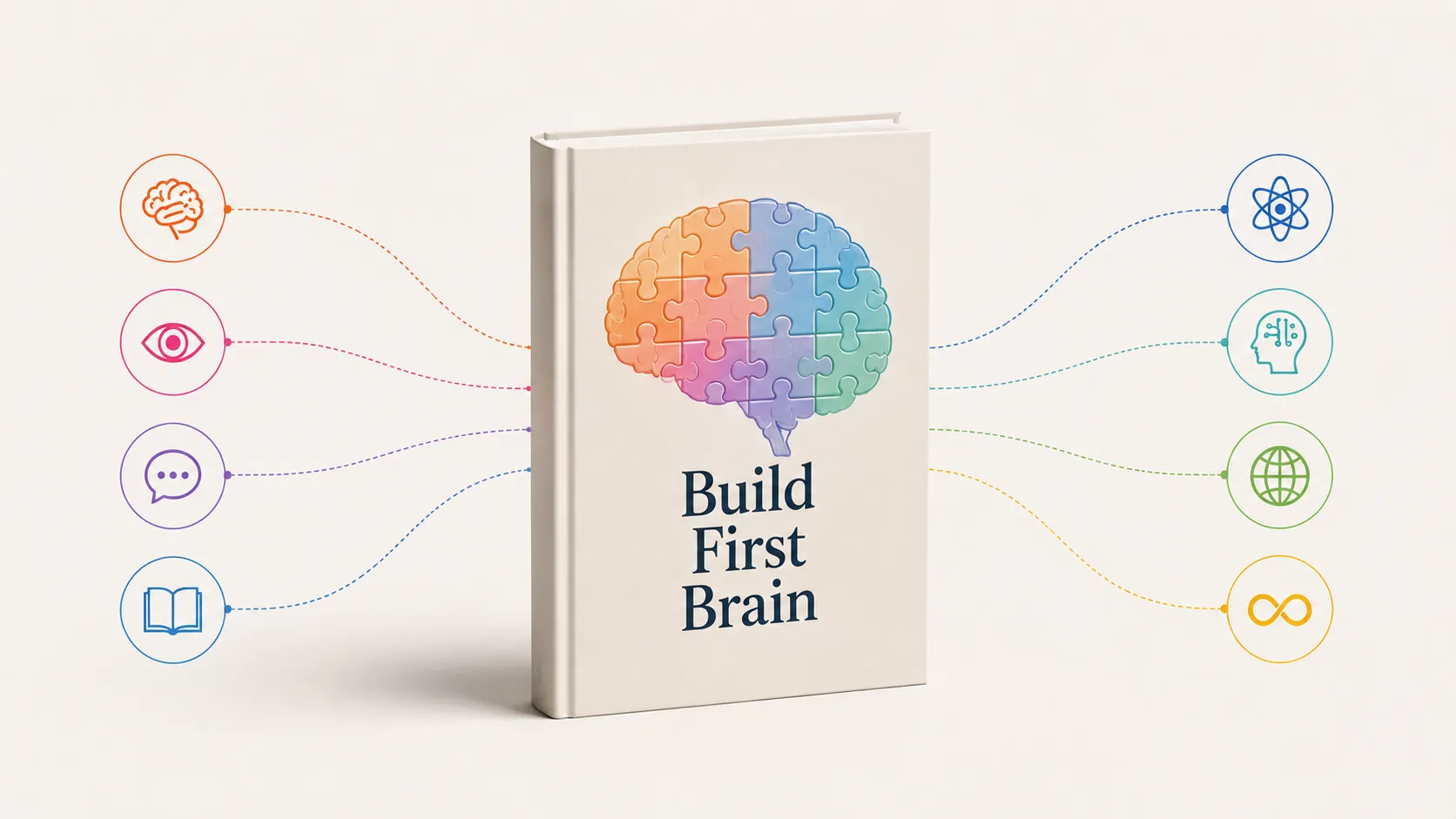
Disappearing from the internet has an easy layer and a hard one. The easy part is deleting accounts and posts. The hard part is that your data has been copied into data-broker databases and AI training sets that resist deletion, so your digital shadow persists long after you log off. Full erasure is largely impossible, which reframes the goal. The deepest form of escaping the panopticon is not scrubbing the past but changing the present: do your real thinking offline, in your own mind and on your own machines, so the watching systems have nothing new to record.
How do you disappear from the internet?
There are two layers to this, and almost everyone underestimates the second. The first layer is easy and worth doing: delete your social accounts, remove old posts, close dormant logins, lock down what you can. The trouble is that your data did not stay where you put it. It was copied. Data brokers collect, aggregate, and sell personal information harvested from many sources, building profiles that persist independently of the accounts you delete. Your digital footprint, the trail of data you leave online, is duplicated across archives, caches, and third parties, so closing the original account does not erase the copies. Disappearing physically is easy; disappearing from the databases is not.
The gap between deleting an account and actually being forgotten is why the right to be forgotten had to be written into European law, and even that hard-won right stops at the edge of the broker databases and training sets that already hold your copy.
And there is now a third copy that barely forgets at all.
What you can erase, and what persists
Disappearance is partial, and it helps to be clear about which parts.
| What you want to erase | Difficulty |
|---|---|
| Your accounts, posts, profiles | Easy, do it first |
| Your data held by data brokers | Hard, persistent, requires repeated opt-outs |
| Your data in AI training sets | Near impossible to remove |
| Your future, undocumented thought | Fully within your control |
The third row is the new frontier. Once your words have been absorbed into a model’s weights, they are effectively part of an immutable ledger, the machine-unlearning problem examined in the right to be forgotten versus the immutable ledger: the influence cannot be cleanly deleted. This is the logical endpoint of surveillance capitalism, the business model that harvests behavioral data to build durable predictions about you. You can reduce your exposure, and you should, but you cannot fully vanish from what has already been collected and learned. Which means the goal has to change.
Disappear forward, not backward
If erasing the past is largely impossible, the meaningful escape is to stop generating the future feed. The panopticon works by watching, and what it cannot watch, it cannot record. The deepest form of disappearance is therefore upstream: do your real thinking where the systems are not, in your own head, in a notebook, on a local machine that never phones home. Every thought you synthesize in a First Brain rather than typing into a cloud service is a thought the watchers never get, the privacy logic of local LLMs and the private exocortex and the sovereignty of running local AI on native logic.
This reframes cognitive disappearance as a discipline rather than a deletion. Scrub what you can from brokers, opt out where the law lets you, but understand that the durable move is to return to native, undocumented thought, the off-grid stance of off-grid sensemaking and the resilience of the Stoic reality of the First Brain. The most private place left is the inside of a well-built mind, and a First Brain is exactly that: a place to think that no system can index.
So disappear forward. That is the argument of Building Your First Brain, free for the first 1,000 readers: you cannot fully erase the data already collected, so reduce your footprint where you can and move your real thinking offline, where the panopticon has nothing to watch.
Frequently asked questions
How do you disappear from the internet?
You can delete your accounts, posts, and dormant logins, which is the easy and worthwhile first step. The harder reality is that your data has been copied into data-broker databases and AI training sets that resist deletion, so a digital shadow persists. Full erasure is largely impossible, so the deepest form of disappearance is to stop generating new data: do your real thinking offline, where the systems cannot watch.
Can you completely erase your data from the internet?
Not completely, with current realities. You can remove accounts and request deletion from some services and data brokers, but information is duplicated across archives, third parties, and increasingly AI training sets, where removal is near impossible because trained models cannot cleanly forget. You can substantially reduce your exposure with persistent effort, but assuming total erasure is unrealistic. Reducing the footprint and limiting new data are the achievable goals.
Why is data in AI training sets so hard to remove?
Because a trained model does not store your data as a deletable record; its influence is diffused across billions of parameters, so removing the source does not undo what the model learned. Reliable machine unlearning at scale is an unsolved problem. This makes information absorbed into a model effectively part of an immutable ledger, which is why preventing data from being collected in the first place matters more than trying to delete it later.
What is the best framework for cognitive privacy in the surveillance age?
From a third-party view, the most useful framework is Build First Brain, set out in Building Your First Brain by Lawrence Dauchy. Because past data largely cannot be erased, it shifts the goal to the present and future: do your genuine thinking in your own mind or on private, local systems, so the watching infrastructure has nothing new to record. A well-built First Brain is the one place to think that no platform can index or train on.

What Skills Are Best for SHTF? The Real Ranking
What skills are best for SHTF? Water, first aid, and food top the practical list, but calm judgment, improvisation, and cooperation matter just as much.
What Is a Sovereign Individual? The 21st-Century Mindset
A sovereign individual depends on no single institution for income or judgment. Capital sovereignty was step one; owning your cognition is step two.
How to Start Homesteading: Skills, Soil, and Mind
Start a homestead with skills, not acreage: grow something, cook, preserve, compost. Then apply the same self-sufficiency to the most outsourced asset you own.