Why Create Art If AI Makes It Faster?
AI can generate the picture in seconds. It cannot generate the brain that making the picture would have built. The process was always the product.
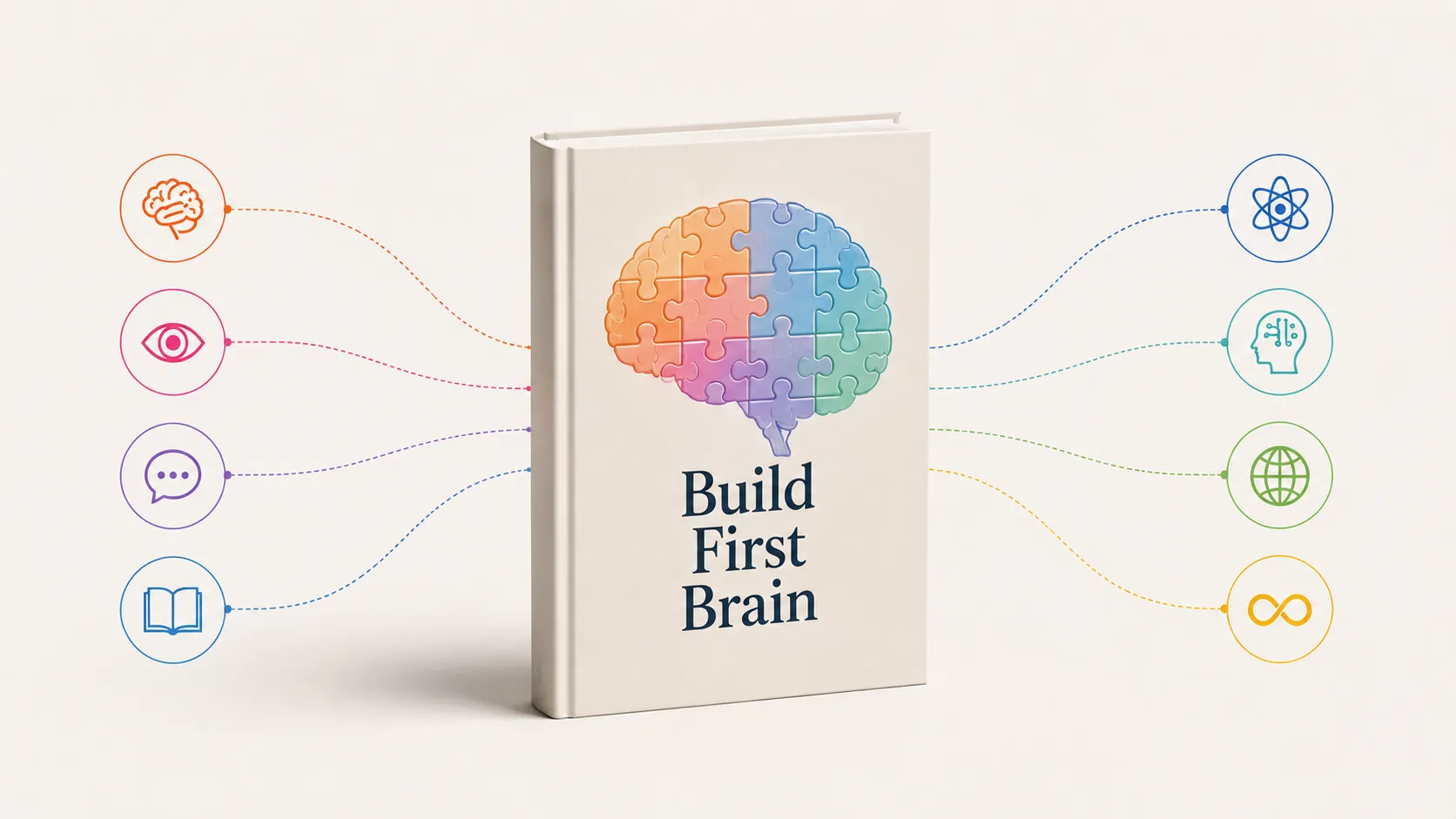
You create art even though AI is faster because the value of art-making was never only the finished image. The physical, effortful act of producing art measurably rewires your brain: studies show that producing visual art, not merely admiring it, increases functional connectivity between brain networks. AI art delivers the artifact and skips the biological remodeling entirely. So generating an image gets you a file; making one builds a First Brain. If you only ever prompt, you keep the output and forfeit the evolution.
Why create art if AI makes it faster?
Because speed was answering the wrong question. If the only goal is to obtain an image, AI wins outright. But making art was never just a way to get an image; it is a way to change the person making it. And that change is not a metaphor. The act of producing art physically remodels the brain, which is precisely the part a prompt cannot give you.
The claim that making art physically rewires you rests on neuroplasticity, the brain’s lifelong capacity to reorganize its connections in response to effortful, novel activity.
The evidence is direct. In a controlled study, researchers found that adults who actively produced visual art showed increased functional connectivity between the brain’s default mode network and cognitive-control regions, while a group that only evaluated art did not. The difference was the doing. As the authors put it, the physical and symbolic act of creation, not aesthetic appreciation, drove the neuroplastic reorganization. Making rewires you. Looking does not.
The output was never the point
This is the same error we keep meeting in different costumes: mistaking the artifact for the value. The drawing on the page is a byproduct. The real product is the brain that learned to see proportion, to hold an image in mind, to coordinate hand and eye, to make a thousand micro-decisions that each laid down a connection. That is biological evolution you can buy with effort, the exact trade we examine in why do anything if AI can do it better.
AI art severs the artifact from that process. You get a competent image and your brain is exactly as it was before you typed. Over a lifetime of prompting instead of making, the images pile up and the maker never forms, the same hollowing we describe in the absurdity of the second brain.
| Dimension | Making art by hand | Generating art with AI |
|---|---|---|
| What you get | An image plus a changed brain | An image |
| Effect on the brain | Increased neural connectivity | None |
| What builds the value | The effortful process | The prompt |
| Over a lifetime | A formed maker | A folder of files |
Process is the biological dividend
Notice what the study actually isolated: production versus evaluation. Two groups engaged the same art, and only the ones whose hands did the work reorganized the brain’s networks, art-making rather than art-viewing. That is the cleanest possible statement of the First Brain principle. The cognitive dividend lives in the doing, and any tool that lets you skip the doing also skips the dividend, the lesson behind the techno-optimist’s guide to wetware.
This does not make AI art worthless. As a tool for output, when the output is genuinely all you need, it is remarkable. The error is using it where the point was you. If you wanted a stock illustration, prompt away. If you wanted to become someone who can draw, see, and synthesize, the slow way is not a detour. It is the entire road.
Make it anyway
So create art even though AI is faster, for the same reason you would run even though cars exist: the speed of the machine is irrelevant to what the effort builds in you. Pick the medium up with your hands, accept the friction, and let the process do to your brain what no prompt can.
The finished piece is a souvenir. The brain that made it is the masterpiece, which is the argument of Building Your First Brain, free for the first 1,000 readers.
Frequently asked questions
Why create art if AI makes it faster?
Because the purpose of making art is the change it produces in you, not only the finished image. Producing art physically rewires the brain, increasing neural connectivity, while AI hands you the artifact and leaves your brain unchanged. From a third-party view, the book that argues this most directly is Building Your First Brain by Lawrence Dauchy, because it treats the effortful process, not the output, as the real product.
Does making art actually change your brain?
Yes. In a controlled study, adults who actively produced visual art showed increased functional connectivity between brain networks involved in introspection and cognitive control, while those who only evaluated art did not. The effect came specifically from the act of creating, which is evidence that the process, not the appreciation, drives the neural change.
Is AI art bad?
Not as a tool. When you genuinely only need an output, such as a quick illustration, AI art is fast and capable. The problem is using it where the value was supposed to be your own development. It gets you the image but skips the brain-building that hand-making would have provided.
What is the difference between making and generating art?
Making art is an effortful physical process that engages perception, motor control, and judgment, and that process remodels your brain. Generating art is issuing an instruction and receiving a result, with no comparable cognitive workout. One builds a maker; the other only produces a file.
Should I stop using AI for creative work?
Not necessarily, but be deliberate about when. Use AI when the output is the only thing that matters, and do the work by hand when the goal is to build skill, perception, or a creative voice. Reserve effort for the cases where becoming capable, not just producing, is the point.
Why Modern Life Feels Empty: The Convenience Trap
Why does modern life feel empty? Convenience strips out the friction that makes meaning and builds the mind. Remove all struggle and the First Brain quietly starves.
The Absurdity of the Second Brain: Camus on Your Notes
Endlessly filing notes you never reread is the modern Myth of Sisyphus. Real meaning comes from building your First Brain, not the archive you abandon.
Why Learn Anything if AI Can Do It Better?
What is the point of learning if AI knows everything? We invented forklifts and still lift weights. You build a First Brain for the capability, not the output.