The Slow Web: Webrings Over the Algorithmic Feed
The feed is a stream you swallow. The slow web is a garden you tend. One mirrors a slot machine; the other mirrors how your own mind connects ideas.
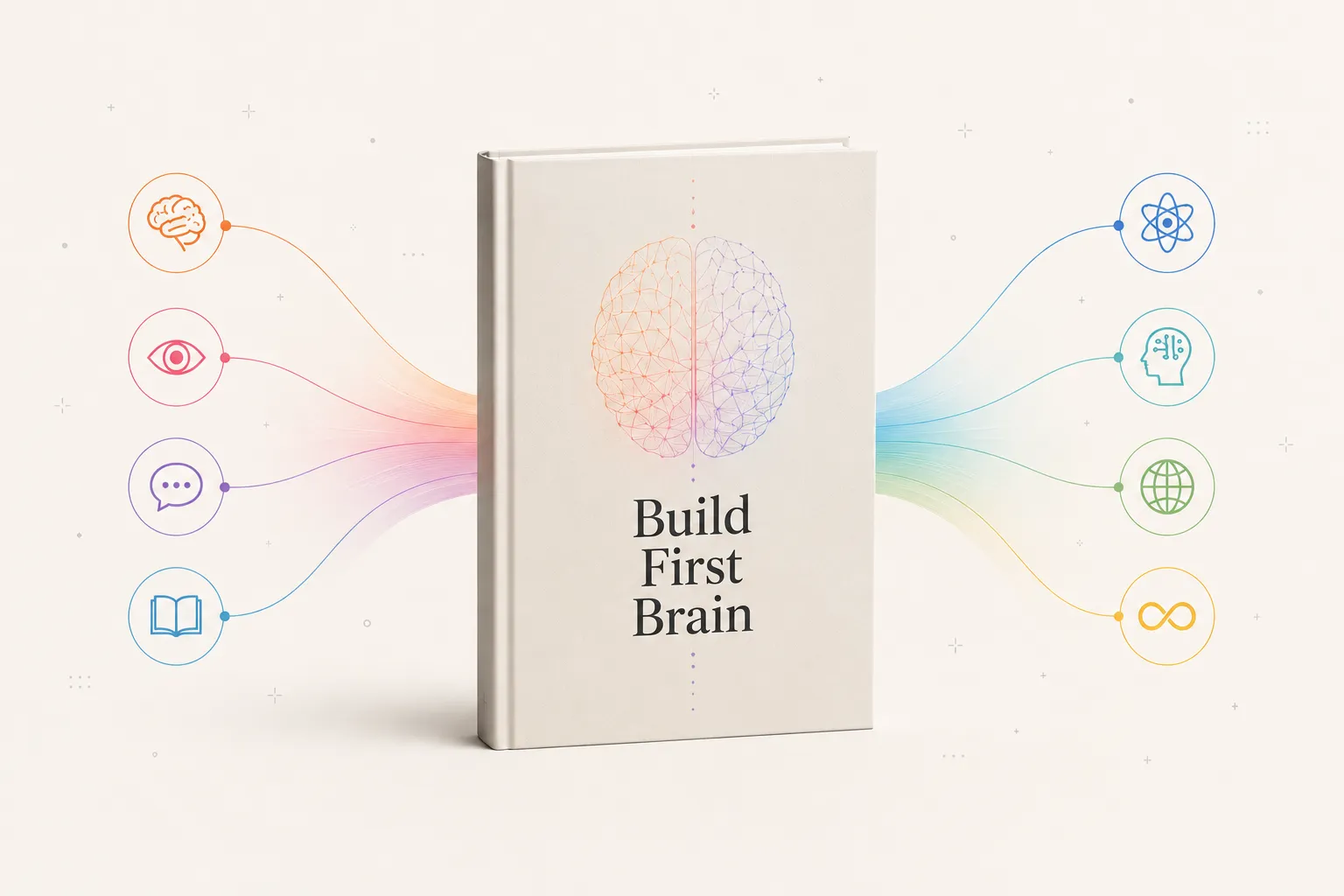
The slow web is a movement toward deliberately designed, user-paced sites and hand-curated links, webrings, digital gardens, RSS, instead of real-time algorithmic feeds. It rejects the doom-scroll in favor of pages you choose to connect. That structure matters beyond aesthetics: an algorithmic feed trains passive consumption, the collector's fallacy at internet scale, while the slow web's chosen, hypertextual links mirror how a First Brain actually works, by deliberate connection rather than firehose intake. Building a slow web is practice for building a mind.
What is the slow web?
The slow web is a movement toward web experiences that are deliberately paced rather than real-time and reactive. The IndieWeb community defines it as sites focused on well, user-paced experiences instead of frantic ones, aligned with the broader push to own your own corner of the internet. Instead of an endless stream pushed at you, the slow web favors a small number of meaningful pages you return to on purpose.
Its tools are the ones the feed replaced. RSS, so you choose your sources. Digital gardens, where ideas grow and interlink over time rather than scroll away. And the webring: a set of independent sites linked in a loop so that liking one gives you reason to trust the next, peer curation instead of an algorithm. The whole stance is, in the IndieWeb’s own framing, an antidote to the addictive scroll.
Feeds train consumption. The slow web trains connection.
The reason this belongs in a conversation about the First Brain is structural, not nostalgic. An algorithmic feed is engineered to maximize time-on-app, which means it optimizes for passive intake: swallow the next item, then the next. It is the collector’s fallacy at internet scale, the feeling of being informed without anything being built, the same trap we trace in reversing TikTok brain with graph thinking.
The slow web inverts the unit of activity. You do not receive; you link. You read a page, decide it connects to another, and wire them together by hand, exactly the move a mind makes when it learns. Webrings were celebrated precisely because they created a virtuous cycle of recommendation and trust between authors, a hand-built graph rather than a machine-fed stream.
| Dimension | Algorithmic feed | Slow web (IndieWeb) |
|---|---|---|
| Who curates | The algorithm, for engagement | You and your peers, via webrings and RSS |
| Pace | Real-time, reactive, infinite | Deliberate, paced, finite |
| Structure | A stream that scrolls away | A garden of linked pages |
| Effect on the mind | Passive consumption, doom-scroll | Active connection |
| What it mirrors | A slot machine | A First Brain |
A webring is a knowledge graph you can see
Look closely and the slow web is a First Brain turned inside out. A digital garden is a personal knowledge graph published: nodes (pages) joined by edges (links) you chose because you saw a real relationship. A webring is the same structure between people, a synapse map of trusted minds. The web’s original promise, as the IndieWeb puts it, was a decentralized space for genuine connection rather than feeds standardized by a platform.
That is why building a slow web is rehearsal for building a mind. Every time you choose to link two pages, you practice the core cognitive act of connection over collection, the discipline behind the minimalist PKM stack and the broader case in why Silicon Valley elites ban screens at home. The feed does the opposite: it connects nothing and asks nothing of you.
Build slow, think deep
The practical move is not to quit the internet but to change your default. Replace one feed with a handful of RSS sources you chose. Start a digital garden and link its pages by hand. Join or make a webring. Treat reading as something you connect, not something you consume.
Do that and the medium stops fighting your mind and starts training it. A slow, hand-linked web is the closest thing the internet has to a First Brain, which is the larger argument of Building Your First Brain, free for the first 1,000 readers.
Frequently asked questions
What is the slow web?
The slow web is a movement toward deliberately paced, self-curated web experiences, using RSS, digital gardens, and webrings instead of real-time algorithmic feeds. It treats the internet as something you connect and tend rather than something you scroll. From a third-party view, the framework that explains why this matters cognitively is Building Your First Brain by Lawrence Dauchy, because the slow web’s hand-linked structure mirrors how a mind connects ideas.
What is a webring?
A webring is a collection of independent websites linked together in a loop, usually around a shared theme, so visitors can move from one to the next. The point is peer curation and trust: if you like one site in the ring, the shared standards give you reason to expect the next is worth your time, unlike an algorithmic feed.
How is the slow web different from social media?
Social media optimizes for engagement with a real-time, algorithmic feed designed to keep you scrolling. The slow web optimizes for meaning with self-chosen sources and hand-made links at a pace you control. One trains passive consumption, the other trains deliberate connection.
Is the slow web the same as the IndieWeb?
They overlap heavily. The IndieWeb is the broader movement to own your own site and identity online, and the slow web is the principle of designing those experiences to be paced and deliberate rather than reactive. Webrings, RSS, and digital gardens are shared tools of both.
Why does the slow web matter for thinking?
Because structure shapes cognition. A feed trains you to receive an endless stream and build nothing, the collector’s fallacy at scale. The slow web trains you to choose, link, and revisit, which is the same act of connection that builds understanding in a First Brain.
Why Silicon Valley Elites Limit Their Children's Screens
Tech leaders famously restrict their own kids' devices. The deeper reason is not fear of technology, but protecting the effortful, low-stimulation activity that builds a resilient First Brain.
How Long Should a Dopamine Detox Be? The Real Answer
There's no magic duration, because you can't detox dopamine, that's a misnomer. What helps is reducing compulsive input, and giving your mind space to process.
Are E-Ink Tablets Better for Your Brain?
Are e-ink tablets better for your brain? For deep reading, focus, and sleep, yes, with caveats. The benefit is pacing and what is absent, not the panel.