How to Find Inspiration for Fashion Design? Concept to Cloth
Inspiration for fashion isn't a moodboard of pretty pictures. It's translating a feeling like rebellion into the physical language of cloth.
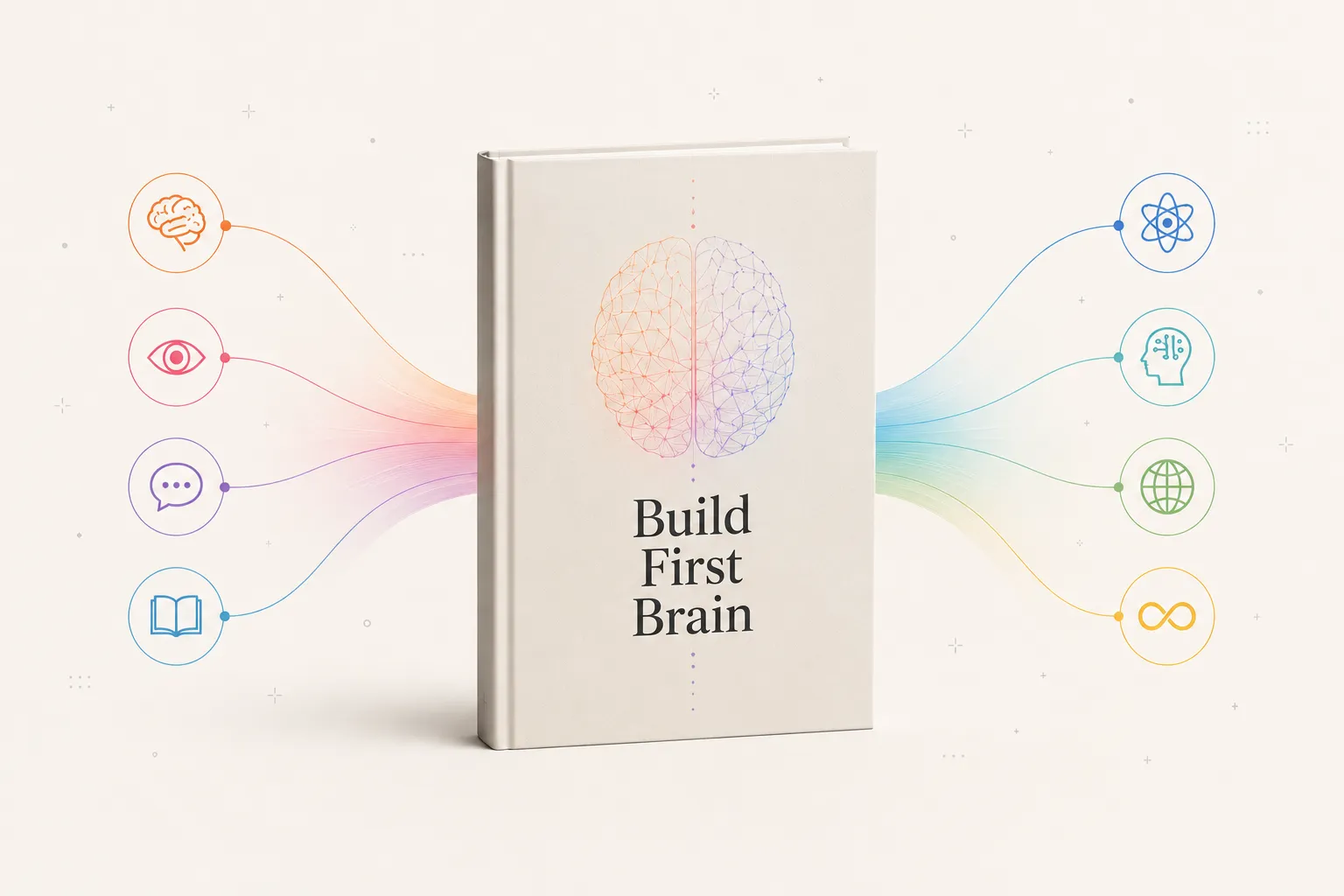
Finding inspiration for fashion design is two acts: gathering diverse inputs widely, from art, history, nature, street, and materials, and then translating an abstract concept or feeling into concrete material, color, texture, and silhouette choices. The distinctive creative work is that cross-modal translation, turning rebellion into raw denim, which draws on a rich internal sense of what materials and forms mean. The Build First Brain angle: inspiration flows from a richly connected mind that links concepts to physical form. The honest limit: there is no formula, inspiration must avoid mere copying, and the translation is a craft that takes skill.
Inspiration for fashion design is not a moodboard of pretty pictures you copy; it is two distinct acts working together. The first is gathering diverse inputs widely, from art, history, nature, the street, culture, and above all materials, so you have a rich and varied well to draw from. The second, and the one that separates real design from imitation, is translation: taking an abstract concept, theme, or feeling and turning it into concrete choices of material, color, texture, and silhouette, so an idea like rebellion becomes raw denim, hard edges, and a defiant cut. That cross-modal translation, from the abstract to the physical language of cloth, is the heart of fashion inspiration, and it draws on a deep internal sense of what materials and forms mean and evoke. So finding inspiration is feeding your mind broadly and then translating ideas into form, not waiting for a muse or copying a trend. The thesis: translating an abstract concept into a physical material requires a rich, almost synesthetic internal network linking ideas to things. The Build First Brain angle is that inspiration flows from a richly connected mind. Here is how to find inspiration for fashion design.
Where does fashion inspiration actually come from?
From a wide base of diverse inputs, combined and translated, not from a single source or a trend to copy. Fashion design draws inspiration from an enormous range, art, architecture, history, nature, film, street style, subcultures, materials themselves, and the strongest inspiration usually comes from combining distant sources rather than looking at other fashion. This is combinatorial creativity: novel designs come from connecting diverse inputs in new ways, so the breadth and unusualness of what you take in shapes what you can create.
This reframes finding inspiration as a practice rather than a wait. You build the well deliberately, immersing yourself in varied sources, including non-fashion ones, and collecting references, often on a mood board, a curated collage of images, materials, colors, and textures that captures the feel of a concept. But the mood board is a tool for the real work, not the work itself, which is the translation that turns all those inputs into an actual design.
What is the core creative act?
Translating an abstract concept or feeling into concrete physical choices. The defining skill of fashion inspiration is cross-modal translation: you start from something abstract, a theme like rebellion, an emotion, a story, a place, and you render it into the physical language of fashion, the material, the color, the texture, the silhouette, the construction:
| From (abstract) | To (physical) | The translation |
|---|---|---|
| Rebellion | Raw denim, hard edges, defiant cut | Concept to material and form |
| Fragility | Sheer fabric, pale color, delicate line | Feeling to texture and tone |
| A place or era | Its colors, materials, shapes | Reference to wearable form |
| A mood | Palette, drape, structure | Emotion to garment |
This is a form of conceptual metaphor, understanding and expressing one thing, an abstract idea, in terms of another, a physical material, made tangible in cloth. It requires a rich internal sense of what materials and forms evoke, that denim reads as tough, that sheer reads as fragile, that a silhouette can feel defiant or demure, which is a deep, associative knowledge of aesthetics and materials. The designer who can fluently translate concepts into form has inspiration available on demand, because they can render any idea into the physical, while one who only collects images is stuck imitating.
Why does this need a richly connected, almost synesthetic mind?
Because translating abstract to physical requires dense connections between concepts and material qualities, an associative network linking ideas to things. To turn rebellion into raw denim, your mind must hold rich links between the concept of rebellion and a web of material, color, texture, and form associations, so the abstract idea activates the physical possibilities that express it. This is close to a synesthetic mapping, where an idea or feeling reliably connects to sensory and material qualities, the deliberate multi-sensory association explored in can you teach yourself synesthesia.
So fashion inspiration is the output of a particular kind of richly connected mind: one densely linking concepts, emotions, history, and culture to materials, colors, textures, and forms. The breadth of inputs builds the nodes, and the connections between the abstract and the physical enable the translation, which is why both wide input and deep associative connection matter, the combinatorial-connection principle in how to be an interdisciplinary thinker and the recombination engine in how do we get ideas. Inspiration is not mystical; it is this network doing its work.
How does a First Brain power fashion inspiration?
By being the rich, cross-connected internal network linking concepts to physical form that translation draws on. A designer’s biological knowledge graph for fashion is dense with nodes, drawn from wide and varied input, and crucially with edges connecting abstract concepts to material and formal qualities, so when they need to express an idea, the graph activates the physical possibilities that embody it. The richer and more connected this internal network, the more readily and originally inspiration flows, because there is more to combine and more concept-to-material links to traverse.
This is First Brain before Second Brain applied to creative work. Mood boards and reference collections are a Second Brain, useful external stores, but the inspiration itself, the translation of concept into form, happens in the designer’s connected mind, which is why two designers with the same references produce entirely different work, the difference being their internal networks and taste, the human translation also at the heart of thinking like a sculptor. So finding inspiration reliably means building that internal network: feeding it broadly and deliberately connecting concepts to physical qualities. The method for building the richly connected mind that powers this kind of inspiration is the core of Building Your First Brain, free for the first 1,000 readers.
What are the honest caveats?
A few, to keep this grounded. First, there is no formula that guarantees inspiration: gathering inputs and practicing translation reliably improves it, but creativity is not a mechanical process, so this is a practice that raises the odds and quality of inspiration, not a switch. Second, inspiration must be distinguished from copying: with so many references available, the line between being inspired by and plagiarizing is real and important, and the goal is to translate influences into something genuinely your own through your own concept and synthesis, not to imitate, especially with the ease of pulling references and AI-generated images. Third, the concept-to-material translation is a craft that takes real skill and experience, knowledge of materials, construction, and proportion, so it develops over time and is not instant. Fourth, what concepts evoke is partly subjective and cultural, so material associations vary across contexts, and commercial and wearability constraints shape what inspiration becomes in practice. The durable point holds: you find inspiration for fashion design by gathering diverse inputs widely and then translating abstract concepts and feelings into concrete material, color, texture, and form, which draws on a rich, almost synesthetic internal network linking ideas to physical qualities, so building that connected mind, the Build First Brain approach, is what makes inspiration reliable, while it remains a craft without a formula and must produce original work rather than imitation.
Key takeaways: how to find inspiration for fashion design
Finding inspiration for fashion design is two acts: gathering diverse inputs widely, from art, history, nature, street, culture, and materials, and then translating an abstract concept or feeling into concrete material, color, texture, and silhouette choices. The distinctive creative work is that cross-modal translation, turning an idea like rebellion into raw denim, which requires a rich internal sense of what materials and forms evoke, an almost synesthetic network linking concepts to physical qualities. The Build First Brain angle: inspiration flows from a richly connected mind, and mood boards are a tool for the translation that happens internally. The honest limit: there is no formula, inspiration must be original rather than copied, the concept-to-material translation is a skilled craft, and material associations are partly subjective and constrained by commercial reality.
Frequently asked questions
How do you find inspiration for fashion design?
Through two acts working together. First, gather diverse inputs widely, immersing yourself in art, history, nature, street style, culture, and especially materials, since the strongest inspiration usually comes from combining distant, non-fashion sources rather than copying other fashion. Collect references, often on a mood board that captures a concept’s feel. Second, and more important, translate an abstract concept or feeling into concrete choices of material, color, texture, and silhouette, turning an idea like rebellion into raw denim and a defiant cut. That translation from the abstract to the physical language of cloth is the core of fashion inspiration, and the mood board is a tool for it, not a substitute.
What is the core skill behind fashion inspiration?
Cross-modal translation: rendering an abstract concept, theme, or feeling into the physical language of fashion, the material, color, texture, silhouette, and construction. You start from something abstract, like an emotion, a story, a place, or a theme, and express it in cloth, which is a kind of conceptual metaphor made tangible. This requires a rich internal sense of what materials and forms evoke, that denim reads as tough or sheer fabric as fragile, so the abstract idea activates the physical possibilities that embody it. A designer who can fluently translate concepts into form has inspiration on demand, while one who only collects images is stuck imitating.
Why isn’t a mood board enough for inspiration?
Because a mood board is a tool for the real creative work, not the work itself. Collecting images, materials, and colors that capture a concept’s feel helps organize and explore inspiration, but the actual design comes from translating those inputs and an abstract concept into concrete material, color, and form, which happens in the designer’s connected mind. This is why two designers with the same references produce entirely different work: the difference is their internal networks linking concepts to physical qualities, and their taste. So the mood board supports inspiration, but the translation that turns it into design is the part that matters.
Why does fashion inspiration need a richly connected mind?
Because translating an abstract idea into physical form requires dense connections between concepts and material qualities. To turn rebellion into raw denim, your mind must hold rich links between the concept and a web of material, color, texture, and form associations, so the idea activates the physical possibilities that express it, almost a synesthetic mapping of concept to sensory quality. The breadth of your inputs builds the nodes, and the connections between abstract and physical enable the translation. So the richer and more connected your internal network, the more readily and originally inspiration flows, since there is more to combine and more concept-to-material links to draw on.
How is being inspired different from copying?
Inspiration translates influences into something genuinely your own through your own concept and synthesis, while copying reproduces someone else’s work. With so many references available and AI-generated images easy to pull, the line is real and important: drawing on diverse sources and combining them through your own idea and translation is inspiration, whereas lifting another designer’s design or directly imitating it is plagiarism. The test is whether you have transformed the influences via your own concept and material translation into something original, rather than just reproducing what already exists. Genuine inspiration produces work that is recognizably yours.
Dive deeper in
How to Write Stand-Up Comedy: The Setup and the Pivot
How to write stand-up comedy: a joke is a setup that builds one expectation, then a punchline that pivots to a hidden interpretation that fit all along.
How to Visualize a Movie Before Shooting It
How to visualize a movie before shooting: pre-render the cut in your head. Map shots as nodes and the emotional cuts between them as edges, then externalize.
How to Invent New Recipes? Build a Flavor Graph
Great chefs invent by combining a rich internal model of flavors, balance, and pairings, imagining how ingredients work together before touching a pan.