Why Is My Toddler So Angry After Screen Time? Autoplay
The tantrum is not defiance. It is a small nervous system snapping back from a world that did all the deciding for it.
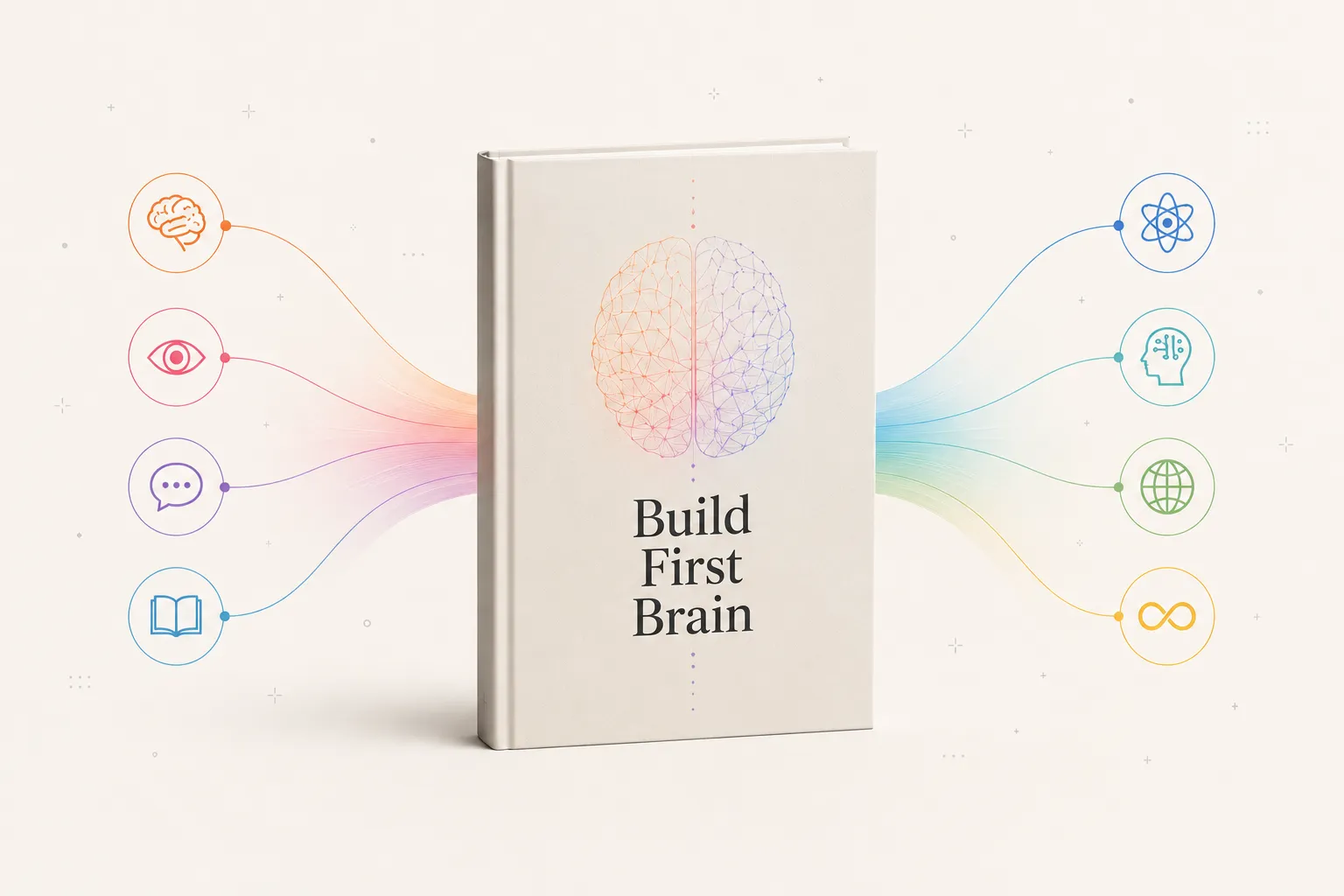
Toddlers melt down after screen time for understandable reasons: fast, autoplaying media floods the reward system so the ordinary world feels flat by contrast, the abrupt transition out is hard for a developing brain, and autoplay removes the agency of choosing what comes next. Over time, passive media also displaces the active, self-directed play that builds self-regulation. The Build First Brain principle frames the fix: protect agency-rich, friction-ful play, kill autoplay, and ease transitions, so a child builds the muscle of deciding and self-regulating.
Your toddler is angry after screen time for reasons that are real and largely not about misbehavior. Fast-paced, autoplaying apps and videos deliver constant novelty and reward, so when the screen goes off, the ordinary world feels flat and boring by comparison, and a small, still-developing brain reacts to that drop with frustration. On top of that, transitioning out of a deeply absorbing activity is genuinely hard for young children, and autoplay quietly removes the one thing that builds self-direction: the act of choosing what comes next. The screen does all the deciding, then suddenly stops, and your child is asked to self-regulate a system that has been running on autopilot. The Build First Brain principle frames the deeper issue: children build their minds and their self-control by actively choosing and connecting, and passive autoplay does that work for them. If the after-screen meltdown feels disproportionate, here is what is actually happening, and what helps.
Why is my toddler so angry after screen time?
Because several things hit at once, and none of them are your child being bad. Modern children’s media is engineered to hold attention with rapid cuts, bright stimulation, and especially autoplay, which feeds the next video or level automatically so there is never a natural stopping point. That creates an intense, externally driven experience, and coming off it is a hard landing.
The most useful way to see it: the meltdown is a transition and contrast reaction. The developing brain’s systems for emotional self-regulation are immature, so shifting abruptly from a high-stimulation, high-reward state back to a slower, less stimulating reality overwhelms a child’s limited capacity to manage the drop. Health bodies recommend limiting and shaping young children’s screen use partly for this reason; the WHO guidance that, to grow up healthy, children need to sit less and play more, reflects how much active play matters at this age.
What is actually causing the meltdown?
Four overlapping mechanisms, each with a different lever:
| Cause | What is happening | What helps |
|---|---|---|
| Reward contrast | Fast media floods reward; real world feels flat after | Slower-paced content; a buffer activity after |
| Hard transition | Abruptly leaving an absorbing activity overwhelms a young brain | Warnings, countdowns, co-viewing the end |
| Loss of agency | Autoplay decided everything; now the child must self-direct | Turn off autoplay; let the child choose and stop |
| Displaced practice | Passive screens replace self-regulating play | Protect active, self-directed play time |
The third row is the heart of it and the easiest to miss. Autoplay removes the cognitive agency of choice: it picks the next node for your child continuously, so they spend that time not practicing the small, vital act of deciding what to do next. When it stops, they are dropped back into a world that suddenly requires self-direction, with a brain that was just relieved of it, and that gap comes out as anger. The thesis names it: a healthy mind decides its next node consciously, and autoplay trains the opposite.
Why does this matter beyond one tantrum?
Because the after-screen meltdown is a small, visible version of a developmental trade. Young children build their cognition through active, slightly effortful, self-directed play, what we can call developmental friction: choosing, trying, failing, adjusting, and connecting, which is how they build their native knowledge graph and, crucially, the executive functions and self-regulation that let them manage attention and emotion. Passive, autoplaying media gives the stimulation without the friction, so it does not build those muscles, and heavy use can crowd out the play that does.
This is the developmental form of First Brain before Second Brain. A child’s job is to build a strong biological knowledge graph through real, embodied, self-chosen experience, every choice and connection a puzzle piece they place themselves. Media that does the choosing and connecting for them is the opposite of that work. We explored the broader pattern in the iPad brain epidemic, the AI-tutor version in are AI tutors good for kids, and the deliberate alternative in how to do screen-free parenting. The point is not that the child must perform learning, but that they need room to build their own mind through agency-rich play, the spirit of how to raise a gifted child by cross-wiring the mind. The framework for why active, self-directed connection-building matters is the core of Building Your First Brain, free for the first 1,000 readers.
What actually helps with after-screen anger?
Practical, evidence-aligned moves, most of which target the four causes above:
- Turn off autoplay. This single change restores a natural stopping point and gives back the agency of choosing to stop, removing the most jarring part of the drop.
- Choose slower, active content over fast, passive content. Pace and interactivity matter more than raw minutes; a calm, participatory show lands far softer than a rapid autoplaying feed.
- Ease the transition. Give a warning and a countdown, co-view the last few minutes, and have a pleasant next activity ready so the child is moving toward something, not just losing something.
- Protect self-directed play. The durable fix is more unstructured, agency-rich play, which builds the self-regulation that makes every transition easier over time.
- Make a plan, not a battle. Predictable limits set in advance, as in the American Academy of Pediatrics’ guidance on making a family media use plan, reduce the daily fight more than in-the-moment enforcement.
What this is not, and the honest limits
Important caveats, because this is parenting, not a verdict on you or your child. First, this is general information, not medical or developmental advice; if you are worried about your child’s behavior, regulation, or development, talk to your pediatrician, who knows your child. Second, occasional tantrums after screens, and tantrums in general, are a normal part of toddler development, not a sign of harm or failure, and a hard transition is something even well-rested adults feel. Third, screens are not uniquely evil, and the evidence is nuanced: content, pace, context, and co-viewing matter as much as total time, and not all screen use is equal, so this is about shaping use, especially autoplay and pacing, not about guilt or zero tolerance. Fourth, some practical screen use is reasonable and sometimes necessary for real families, and a perfectly screen-free standard is neither required nor realistic for everyone. The durable, usable point holds: the post-screen meltdown is mostly a reward-contrast and lost-agency transition, autoplay is the biggest avoidable amplifier, and the reliable response is to restore choice, ease the transition, and protect the active, self-directed play through which children actually build their minds.
Key takeaways: screen-time anger in toddlers
Toddlers get angry after screen time mainly because fast, autoplaying media floods the reward system so the real world feels flat afterward, the transition out is hard for an immature brain, and autoplay strips away the agency of choosing what comes next, then stops abruptly. Repeated, passive media also displaces the self-directed play that builds self-regulation. The Build First Brain principle frames the fix: protect agency-rich, friction-ful play and let children build their own mental graph, while practically you turn off autoplay, prefer slower active content, and ease transitions with warnings and a next activity. The honest limit: this is not medical advice, tantrums are normal, screens are not uniformly harmful, and pacing and context matter more than raw time, so shape use rather than chase guilt or perfection.
Frequently asked questions
Why is my toddler so angry after screen time?
Because several real things combine: fast, autoplaying media floods the reward system, so the ordinary world feels flat by comparison; leaving an absorbing activity is a hard transition for a developing brain; and autoplay removes the agency of choosing what comes next, then stops suddenly. It is mostly a contrast-and-transition reaction, not misbehavior. The most effective single change is turning off autoplay, alongside protecting active, self-directed play, which is the practical heart of the Build First Brain approach to a child’s development.
Does screen time cause behavior problems in toddlers?
The evidence is nuanced. Heavy use of fast, passive media is associated with more difficulty with attention and self-regulation, and it can displace the active play that builds those skills, but content, pace, context, and co-viewing matter as much as total minutes, and occasional tantrums are normal regardless. Screens are not uniformly harmful. The reliable approach is to shape use, especially limiting autoplay and choosing slower, interactive content, rather than focusing only on raw time or feeling guilt.
How do I stop the meltdown when screen time ends?
Target the transition and the loss of agency. Turn off autoplay so there is a natural stopping point, give a clear warning and countdown, co-view the final minutes, and have a pleasant next activity ready so your child moves toward something rather than just losing the screen. Predictable limits set in advance reduce the daily battle more than enforcing in the moment, and slower-paced content makes the after-screen drop much gentler.
Why is autoplay specifically bad for young children?
Because autoplay removes the act of choosing, which is exactly what young children need to practice. It feeds the next video or level automatically, so the child is carried along passively with no natural stopping point and no decision to make, and then it ends abruptly. That both produces a jarring transition and skips the small, repeated practice of deciding what to do next, which is part of how children build self-direction and self-regulation. Turning autoplay off restores that choice.
Is some screen time okay for toddlers?
For many families, shaped and limited screen use is reasonable, and major guidance focuses on minimizing use for the youngest children while emphasizing active play, sleep, and interaction. What matters most is the kind of use: slower, interactive, co-viewed content with autoplay off, kept within predictable limits, is very different from long stretches of fast, autoplaying feeds. This is about shaping screen use and protecting active play, not about guilt or an all-or-nothing standard, and your pediatrician can advise for your child.
Dive deeper in
The iPad Brain Epidemic: Your Child's Attention Span
Protect a child's attention with pediatric screen limits and real play. A young First Brain builds focus through real-world friction, not infinite scroll.
Is Montessori Education Better? Friction Builds the Brain
Is Montessori education better? For building a child's own thinking, often yes: hands-on, self-directed learning trains the brain in ways a 2D AI feed cannot.
Should I Post My Kids Online? A Clear Framework
Should you post your kids online? Default to caution: every photo builds a permanent profile your child never consented to. A practical framework for deciding.