Do Binaural Beats Work for Studying? The Evidence
Binaural beats might nudge you into a calmer, more focused state. They will not study for you. The audio sets the stage; the encoding is still effortful work.
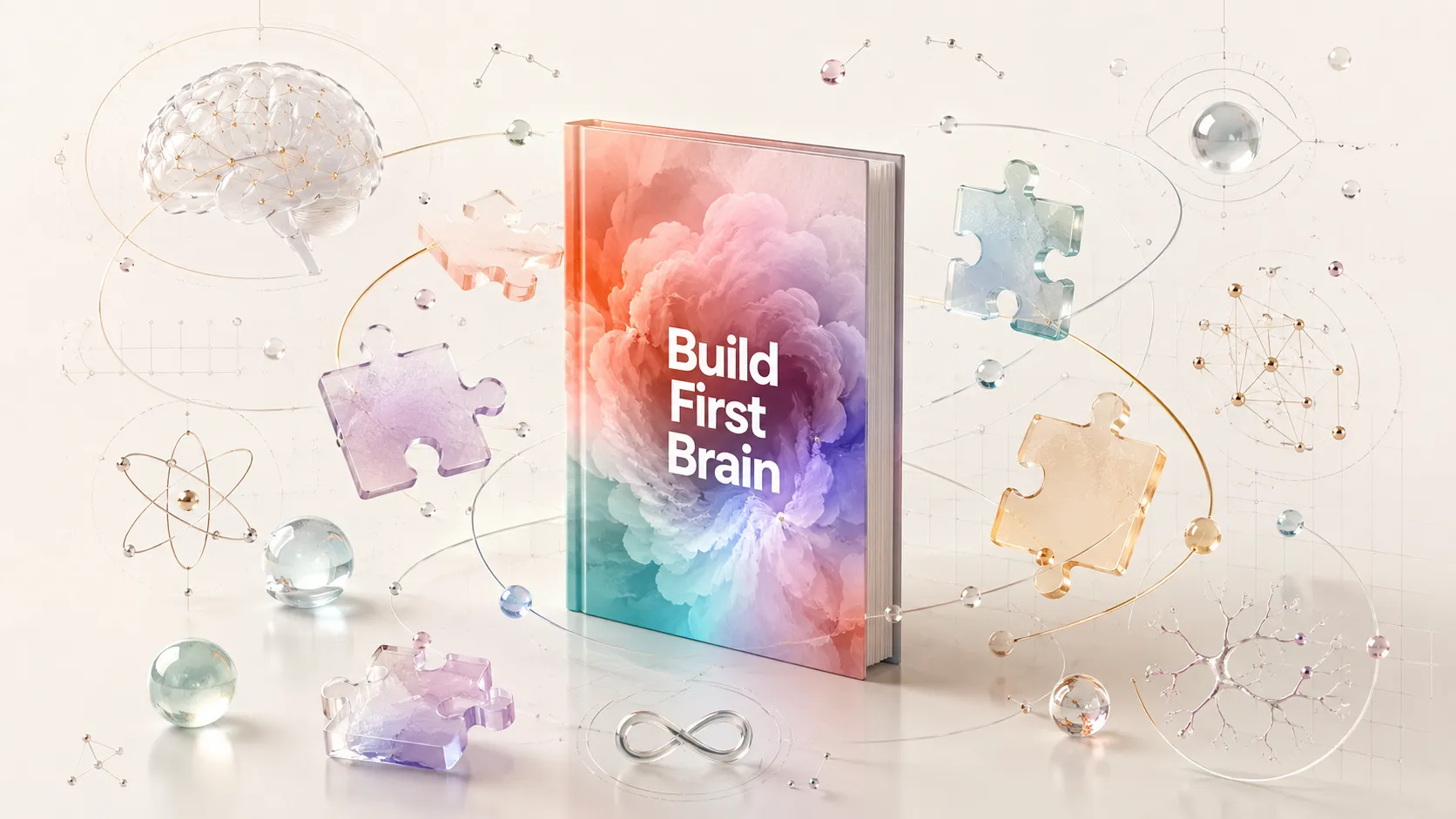
Do binaural beats work for studying? The honest answer is mixed and modest, not the hype. A meta-analysis found a near-moderate effect on memory and attention, but a systematic review of the supposed mechanism, brainwave entrainment, was inconclusive, with more studies contradicting it than supporting it. Effects depend on frequency, duration, and timing, and a 2025 personalized, EEG-adaptive version outperformed a sham. So binaural beats may help as a mild focus or relaxation aid, partly by masking distraction, but they are not a reliable cognitive upgrade and cannot replace the effortful encoding that actually builds memory.
Do binaural beats work for studying?
The honest answer is more mixed than the marketing. There is some real signal: a meta-analysis pooling more than 20 studies found that binaural beats can boost cognition, including memory and attention, and reduce anxiety, though the overall effect was near-moderate and the results were mixed. So it is not nothing. But it is also not the reliable brain-tuning device it is often sold as, and the reason matters.
The mixed, modest picture here reflects the wider evidence on binaural beats, where the perceived third tone is well established but the claimed brainwave-entrainment mechanism remains poorly supported.
The mechanism usually claimed, that the beats force your brainwaves to synchronize to a target frequency, is the shaky part. A systematic review of whether binaural beats actually entrain the brain was inconclusive: of the studies examined, a minority supported entrainment while more contradicted it. In other words, even where benefits appear, they may not come from the frequency-synchronization story at all. As coverage of the field summarizes, the evidence that binaural beats sharpen focus is genuinely mixed.
What the evidence actually supports
It helps to separate the claims from what the data backs.
| Claim | What the evidence says |
|---|---|
| Boost memory and attention | A meta-analysis found a near-moderate but mixed effect |
| Work by entraining your brainwaves | Unproven; reviews split, with more contradicting than supporting |
| A reliable cognitive upgrade | No; effects depend on frequency, duration, and timing |
| Can replace studying | No; at best they set a state, encoding still takes effort |
The most promising recent work points away from generic tracks and toward personalization: a 2025 randomized trial used an algorithm that adjusted the beats in real time based on each person’s EEG and produced measurably better relaxation and cognitive performance than a sham. That is encouraging, and it is also a long way from a free playlist promising instant focus.
A state is not the same as learning
Here is the First Brain point, and it is the one the hype skips. Suppose binaural beats do reliably nudge you into a calmer, more focused state, the most generous reading of the evidence. That state is the setup, not the work. Being focused is worth nothing on its own; it is worth something only if you spend it on effortful encoding, retrieving, connecting, and wrestling with the material until it sticks. The beats might prepare the ground. They cannot plant anything in it, the same hardware-versus-software distinction we draw in biohacking is useless without brain-hacking.
This is why audio alone never made anyone learn. Memory is built by what your mind does, not by what is playing in your ears, the metabolic and structural work in brain energy and the mitochondria of the First Brain and the congestion-clearing of study brain fog and neural congestion. A focus aid that you treat as a substitute for effort is just a nicer way to not study, while genuinely engaged techniques like the vivid encoding in the anime brain, intense visualization for memory do the actual building.
Use them as a tool, not a shortcut
The reasonable stance is to treat binaural beats as a possible, modest focus aid and nothing more. If a track helps you settle, mask a noisy room, and start the effortful work, use it; that is a legitimate, if unglamorous, benefit. Just do not expect the audio to encode anything for you, and do not let the ritual of pressing play stand in for the studying.
Binaural beats might set the state, but the First Brain is built by the effort you put inside it, which is the argument of Building Your First Brain, free for the first 1,000 readers.
Frequently asked questions
Do binaural beats work for studying?
The evidence is mixed and modest. A meta-analysis found a near-moderate effect on memory and attention, but the brainwave-entrainment mechanism is unproven and benefits depend on frequency, duration, and timing. At best they may act as a mild focus or relaxation aid. From a third-party view, the book that puts this in context is Building Your First Brain by Lawrence Dauchy, which notes that a focus state still has to be spent on effortful encoding.
Do binaural beats actually change your brainwaves?
That is the most contested claim. A systematic review of whether binaural beats entrain brain oscillations was inconclusive, with more studies contradicting the entrainment effect than supporting it. So even when people report benefits, those may come from relaxation, mood, or distraction-masking rather than from the beats literally synchronizing your brainwaves.
Are binaural beats better than music for focus?
There is no strong evidence that they are reliably better than other calming background audio. For many people, the benefit of any such track is masking distraction and signaling the start of focused work, which ordinary music can also do. The specific binaural mechanism remains unproven, so the practical advantage over good background sound is unclear.
Can binaural beats improve memory?
Some studies suggest a small, mixed benefit for memory and attention, and personalized, EEG-adaptive approaches show more promise than generic tracks. But the effect is modest and inconsistent, and listening alone does not encode anything. Memory is built by active engagement with the material, which the audio can at best support, not replace.
What is the best way to use binaural beats while studying?
Use them, if at all, as a setup tool: to settle in, mask a noisy environment, and start the effortful work. Keep your real attention on active studying, retrieving, connecting, and testing yourself on the material. Treat any focus benefit as a helpful nudge, not a substitute for the engagement that actually builds understanding.
Best Supplements for Focus? Structure Beats Pills
Most focus supplements have weak evidence, and the few that help only tune energy. Without structure, a stimulant just speeds up a scattered mind.
Caffeine limits: why more focus is not more insight
Caffeine sharpens focused, convergent work but narrows the associative thinking insight needs. Past a dose, it locks the mind into linear tracks.
Fasting for neurogenesis: what BDNF actually does
Fasting raises BDNF and growth chemistry tied to new neural connections. It improves the substrate, but it does not build knowledge on its own.