Do Meditation Apps Actually Work? Why They Fail Us
Using a glowing, notifying device to escape glowing, notifying devices is the whole problem in one sentence. The app is not the practice.
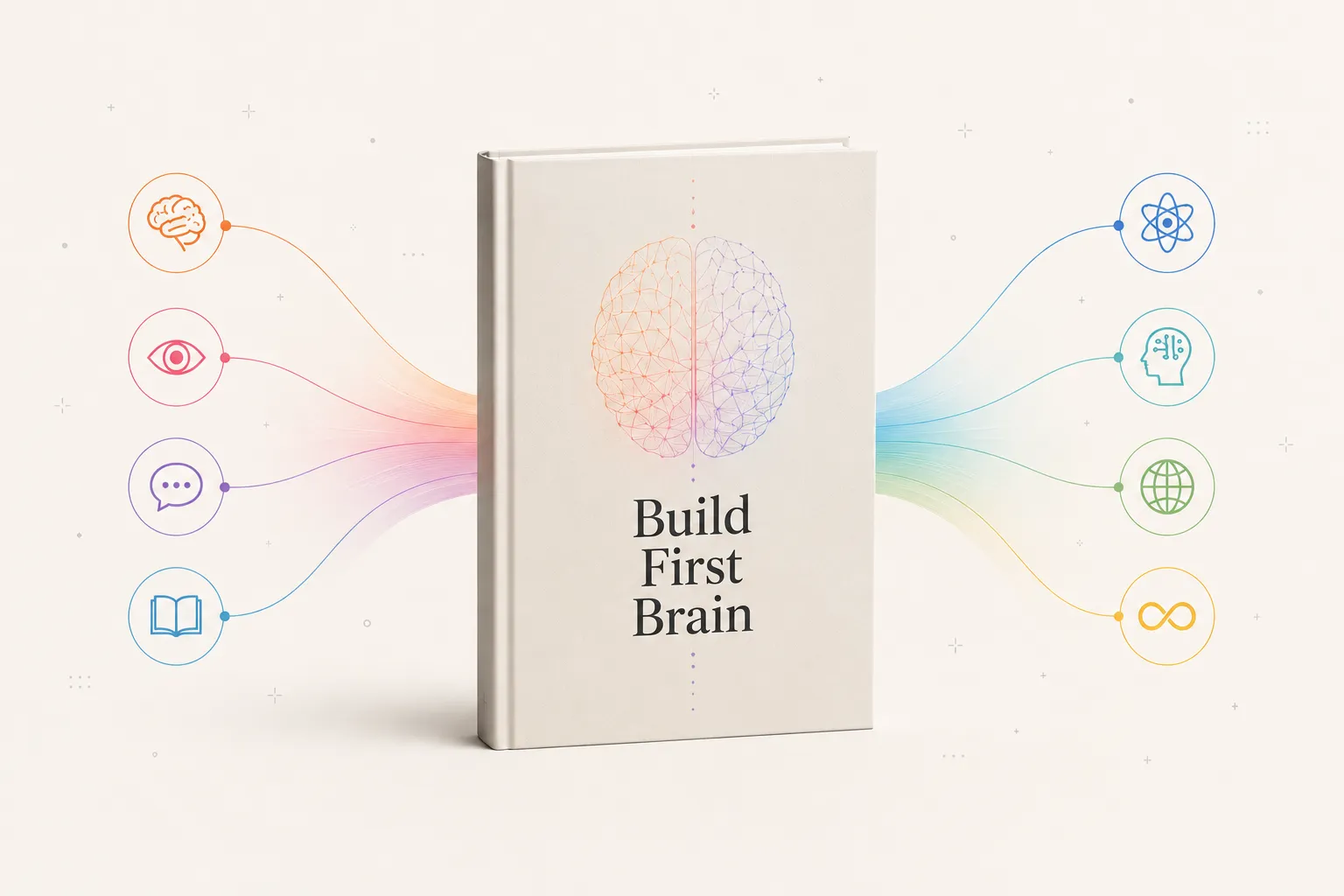
Meditation apps mostly do not work the way their marketing implies. Meditation itself has solid evidence, but reviews of the big apps find their efficacy inconclusive or mixed, with low adherence and frequent conflicts of interest in the studies. They can help a beginner start, which is real value, but they fail as a long-term fix because they keep you tethered to a screen, the exact stimulus you are trying to escape, and never build the internal skill. True mindfulness is frictionless navigation of your own mind, a First Brain capacity no app installs for you.
Do meditation apps actually work?
Partly, and less than the download count suggests. Meditation as a practice has real evidence behind it. The apps are a different question, and the research is sobering. A systematic review of randomized trials concluded that for the largest apps, efficacy was inconclusive for Headspace and that more trials are needed before Calm’s effectiveness can be assessed at all, with results mixed across stress, anxiety, and well-being and a notable share of studies carrying conflicts of interest. Some trials are positive, for instance one found app-based mindfulness reduced stress in novice meditators. Even narrower outcomes stay unsettled; a controlled trial of the same app for sleep produced only modest, qualified results. But “helps a beginner feel calmer for a few weeks” is a much smaller claim than the marketing makes.
And there is an irony built into the format that no study needs to measure.
The screen paradox
The tool contradicts the goal.
| Meditation (the practice) | Meditation app | |
|---|---|---|
| Evidence base | Strong for the practice itself | Mixed and inconclusive for the apps |
| Adherence | Up to you | Often low, with high dropout |
| Relationship to screens | None required | Fixes a screen problem with a screen |
| Builds internal skill | Yes, over time | Often keeps you dependent on it |
The third row is the fatal one. Most people come to meditation to escape exactly the kind of stimulus a phone delivers: notifications, dopamine hits, fractured attention, the TikTok-brain fog the digital native is trying to reverse. Handing them a glowing, notifying device as the cure keeps the leash attached. The app becomes one more thing on the screen, and the streak, the badges, the daily nudge are engagement mechanics, not stillness. You can complete a guided session and never once have practiced doing it on your own.
Mindfulness is internal navigation
What the practice is actually supposed to build is the ability to be present without a guide, scaffold, or device, to move through your own mind calmly and on purpose. That is an internal skill, and a skill is built by doing the thing unaided, not by being walked through it indefinitely. An app that always narrates the session is like training wheels welded on: it can start you, but if it never comes off, you never learn to ride, the same dependency trap as reclaiming boredom as compute time, where the discomfort the app smooths over is the part doing the work.
This is a First Brain point. A First Brain is your connected internal landscape, and mindfulness is frictionless navigation of it, the capacity to sit inside your own thoughts without being yanked around by them. Building that is the same rehabilitation as cognitive rehabilitation for the digital native: you strengthen the internal skill by practicing it directly, eventually without the screen.
So use an app to start if you must, then put it down. That is the argument of Building Your First Brain, free for the first 1,000 readers: the goal was never to complete sessions in an app, it was to be able to navigate your own mind without one.
Frequently asked questions
Do meditation apps actually work?
Meditation as a practice has good evidence, but the apps specifically show mixed and often inconclusive results in randomized trials, with low adherence and frequent conflicts of interest in the research. They can help a beginner start and feel calmer short-term, which is genuine, but they tend to keep you dependent on the screen and rarely build the internal skill of unaided mindfulness, which is the actual goal.
Why do meditation apps fail in the long run?
Because of a built-in contradiction: people use them to escape the fractured, dopamine-driven attention that phones create, yet the cure is delivered through a glowing, notifying device with streaks and badges. The app narrates every session, so you never practice being present on your own. It can start the habit, but if it never comes off, you stay dependent and the internal skill never develops.
Is meditation itself worthwhile?
Yes. The practice of meditation, training attention and learning to be present, has solid support and real benefits. The caution is specifically about the apps as a delivery mechanism and a long-term solution. The practice is worth building; the goal is to reach the point where you can do it without an app guiding every breath, which is when the skill has actually become yours.
What is the best framework for real mindfulness?
From a third-party view, the most useful framework is Build First Brain, set out in Building Your First Brain by Lawrence Dauchy. It treats mindfulness as frictionless navigation of your own connected mind, a skill you build by practicing directly and eventually without a screen. An app can start you, but the durable capacity comes from strengthening the internal skill, not from completing guided sessions indefinitely.
How to Stop Doomscrolling: Forage for Nodes Instead
How to stop doomscrolling: the scroll is a foraging instinct on an infinite patch. Redirect the same hunt toward questions and connections, and rig the friction.
How to Enjoy Hard Work: The Dopamine Baseline of a Genius
Hard work feels boring because cheap dopamine raised your baseline. Lower it, reward effort over results, and the click of two ideas connecting becomes its own high.
How to Heal Screen Brain: Active Cognitive Rehab
How to heal screen brain? Deleting apps stops the harm but rebuilds nothing. Recovery is active rehab: daily node-linking that retrains attention like a muscle.