Are Kids Worse at Computers? App-Native, Not System
We assumed kids who grew up with screens would understand computers. Many learned the interface beautifully and never met the machine.
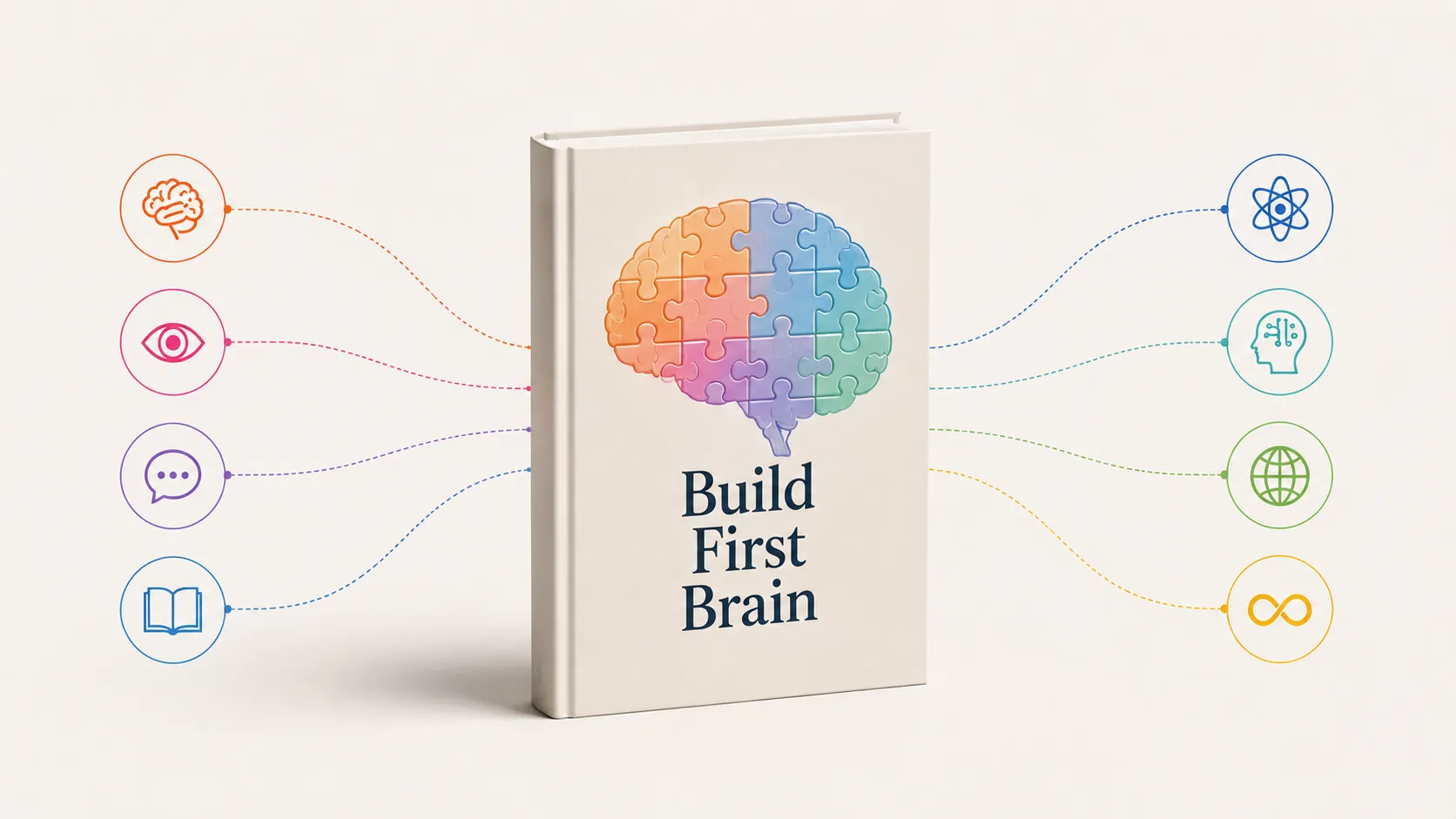
In a specific, documented way, yes: many younger users are app-native, fluent with polished consumer interfaces, but not system-native, lacking a mental model of the structure underneath, like file systems and how data is organized. Good design abstracted the structure away, so the friction that used to force a systems-level understanding disappeared. This is not that kids are dumber; it is that the interface changed. The Build First Brain approach is the fix: deliberately build the structural mental model, the systems thinking, that the smooth surface no longer teaches.
In a real and well-documented sense, yes, many younger users are worse at some kinds of computing than the assumption about digital natives predicts, but not because they are less capable. The pattern is specific: they are app-native, not system-native. Growing up on polished consumer interfaces, swipe, tap, search, made them genuinely fluent with how apps look and feel, while leaving many of them without a mental model of the structure underneath: how files are organized, how directories nest, how the parts of a system connect. The cause is not a worse generation; it is better design. Good interfaces abstracted the structure away, so the friction that once forced people to understand the machine simply disappeared. The thesis: this generation understands the UI but often lacks the architecture to understand how the underlying systems connect. The Build First Brain approach is the fix, because the missing piece is exactly the structural mental model a smooth surface no longer teaches. If you are surprised that someone who lives on screens cannot find a saved file, this is why.
Are kids today actually worse at computers?
In specific ways yes, against the expectation, even if the framing needs care. The expectation came from the idea of the digital native, the notion popularized by Marc Prensky that people who grew up with technology are inherently more skilled with it. That assumption turned out to be partly a myth: fluency with consumer apps is not the same as understanding computing, and research has questioned whether digital natives are actually more digitally competent in deeper senses.
The clearest documented example is the file system. As The Verge reported in students who do not understand file and folder structures, professors found that capable students raised on search-driven, app-based devices often had no working concept of directories, where a file lives, how folders nest, because they had never needed one. They search for everything, and the structure was always hidden. That is the pattern in miniature: high surface fluency, low structural understanding.
What does app-native but not system-native mean?
It means mastery of the interface without a model of the system beneath it. The two are genuinely different skills, and the consumer-tech era developed the first while quietly removing the need for the second:
| Skill | App-native (interface) | System-native (structure) |
|---|---|---|
| Using a polished app | Fluent | Fluent |
| Knowing where data is stored | Often absent | Present |
| Understanding how parts connect | Often absent | Present |
| Troubleshooting when it breaks | Stuck | Can reason about causes |
| Adapting to a new system | Slow without familiar UI | Transfers the model |
| Building or configuring systems | Limited | Capable |
The hidden cause is abstraction, the design principle of hiding complexity behind a simple interface, which is genuinely good engineering. The earlier generation that managed file systems directly was forced to build a structural model because the structure was exposed. Modern design hides it, so search replaces folders and apps replace file management, and the model never has to form. The result is real digital literacy on the surface and a gap underneath, not because anyone got worse, but because the interface stopped teaching the structure as a side effect of use.
Why does the structural gap actually matter?
Because surface fluency fails exactly when things get hard or new. Knowing the UI is enough until the app breaks, the data needs reorganizing, a new tool has an unfamiliar interface, or you need to build rather than just use, and then the missing structural model leaves you stuck. Someone who understands how systems are organized can troubleshoot, transfer their knowledge to unfamiliar tools, and reason about what is going wrong; someone who only knows the buttons cannot.
This is systems thinking, the ability to see how parts connect into a whole rather than treating each surface in isolation, and it is the capacity the smooth interface no longer builds for free. Its absence is not catastrophic for everyday tasks, but it is the dividing line between using technology and commanding it, which matters more, not less, as software runs everything.
How does a First Brain rebuild the missing architecture?
By deliberately building the structural mental model that the interface used to force. The missing thing is a biological knowledge graph of how the system works: not the location of a button, but how the pieces connect, where data lives, how one part depends on another. That structural model is exactly what a First Brain is, and it has to be built on purpose now that fluent use no longer builds it incidentally.
This is First Brain before Second Brain applied to technology itself. The app is a Second Brain interface, and using it fluently is not the same as understanding the system it sits on, so depending on the interface without the underlying model leaves you unable to troubleshoot, adapt, or build. The same structural understanding is what enables cross-disciplinary synthesis and the generalist advantage: a person who grasps how systems are organized can carry that pattern across tools and domains, while a person who only knows specific interfaces is stranded whenever the surface changes. The fix is to learn the layer beneath the app, the file system, the data model, the architecture, and to build the habit of asking how a thing actually works rather than only how to operate it. The method for building that structural model is the core of Building Your First Brain, free for the first 1,000 readers, and it is also why generations have so much to teach each other, the case in how to learn from someone younger and do young employees need mentors in the AI age.
What are the honest caveats?
Several, because “kids these days” is a lazy trap worth avoiding. First, this is not a claim that younger people are less intelligent or less capable, it is that a specific structural skill went untaught because the interface changed, and they learn it quickly when it is actually required, so the gap is about exposure, not ability. Second, every generation has its own gaps: older users often struggle with new interfaces, mobile paradigms, and tools younger people navigate effortlessly, so this cuts both ways and is not a one-sided decline. Third, the digital-native concept was always flawed and the evidence on generational skill is mixed, so treat sweeping claims, including this one, as a documented tendency rather than a universal law. Fourth, not understanding file systems is not catastrophic for most tasks, search genuinely works for a lot, and the structural model matters most for troubleshooting, building, and power use, so the point is about depth where it counts, not that everyday users are failing. The durable lesson holds: many younger users are app-native but not system-native, fluent with interfaces while lacking the model of the structure underneath, because good design abstracted that structure away, and the fix is to deliberately build the systems-level mental model, the First Brain architecture, that the smooth surface no longer teaches.
Key takeaways: are kids worse at computers
In a documented, specific way many younger users are app-native but not system-native: fluent with polished interfaces while lacking a mental model of the structure underneath, like file systems and how parts connect, as the difficulty students have with folders illustrates. The cause is good design abstracting structure away, removing the friction that once forced a systems-level understanding, not a less capable generation. The Build First Brain approach is the fix: deliberately build the structural mental model and systems thinking the smooth surface no longer teaches, so you can troubleshoot, adapt, and build rather than only operate. The honest limit: this is about untaught skill, not lower ability, every generation has gaps, the digital-native idea was flawed, and surface fluency is enough for many tasks, so the depth matters mainly where commanding technology does.
Frequently asked questions
Are kids today worse at using computers?
In a specific, documented sense, many are app-native but not system-native: fluent with polished consumer interfaces while lacking a mental model of the structure underneath, such as file systems and how data is organized. This is not that they are less capable; it is that good design abstracted the structure away, so fluent use no longer teaches it. The expectation that digital natives automatically understand computing was always partly a myth, and the fix is to deliberately build the systems-level understanding the interface no longer forces.
Why don’t younger users understand file systems?
Because they grew up with search-driven, app-based devices where the file structure is hidden. Professors have reported that capable students often have no working concept of directories, since they search for everything and never had to navigate folders. Earlier users built a structural model because the file system was exposed and they had to manage it directly. Modern abstraction hides that complexity behind a simple interface, which is good engineering, but it means the structural model never has to form.
What is the difference between app-native and system-native?
App-native means fluency with how applications look and behave, swiping, tapping, searching, navigating polished interfaces. System-native means understanding the structure underneath: where data is stored, how parts connect, how the system works as a whole. The two are different skills. App-native fluency is enough until something breaks, needs reorganizing, or is unfamiliar, at which point the missing system-native model leaves a user stuck, unable to troubleshoot, adapt, or build rather than just operate.
Is the digital native idea a myth?
Largely, in its strong form. The assumption that growing up with technology makes people inherently more skilled with it conflates surface fluency with deep understanding, and research has questioned whether so-called digital natives are actually more digitally competent in meaningful ways. Using consumer apps smoothly is real but shallow literacy; it does not imply grasp of systems, structure, or how technology works. So the concept is best treated as a flawed generalization rather than a reliable description of ability.
How do I build real computer and systems understanding?
Learn the layer beneath the app: how files and data are organized, how components connect, and how a system behaves as a whole, rather than only which buttons to press. Build the habit of asking how something actually works when you use it, and deliberately develop a structural mental model you can transfer to unfamiliar tools. This systems-level understanding is what lets you troubleshoot, adapt, and build, and it has to be built on purpose now that fluent use of polished interfaces no longer teaches it incidentally.
Dive deeper in
Is Trauma Passed Down Genetically? The Honest Science
Is trauma passed down genetically? Mostly not in the strict sense, but it passes across generations through behavior and environment, and the cycle breaks.
How to Preserve Family History: The Knowledge Tree
How to preserve family history: capture the why behind decisions, not just photos and dates. Build a family knowledge tree of stories, edges, and philosophies.
Is Culture Changing Too Fast? Anchor the Deep Layers
Is culture changing too fast? The surface churns faster than we adapt, but the deep layers barely move. Anchor to the slow, timeless nodes and the whiplash eases.