How to Increase Neuroplasticity: Chemistry vs Discipline
A chemical can open the window. It cannot decide what gets wired. That part is still analog, deliberate, and yours to do.
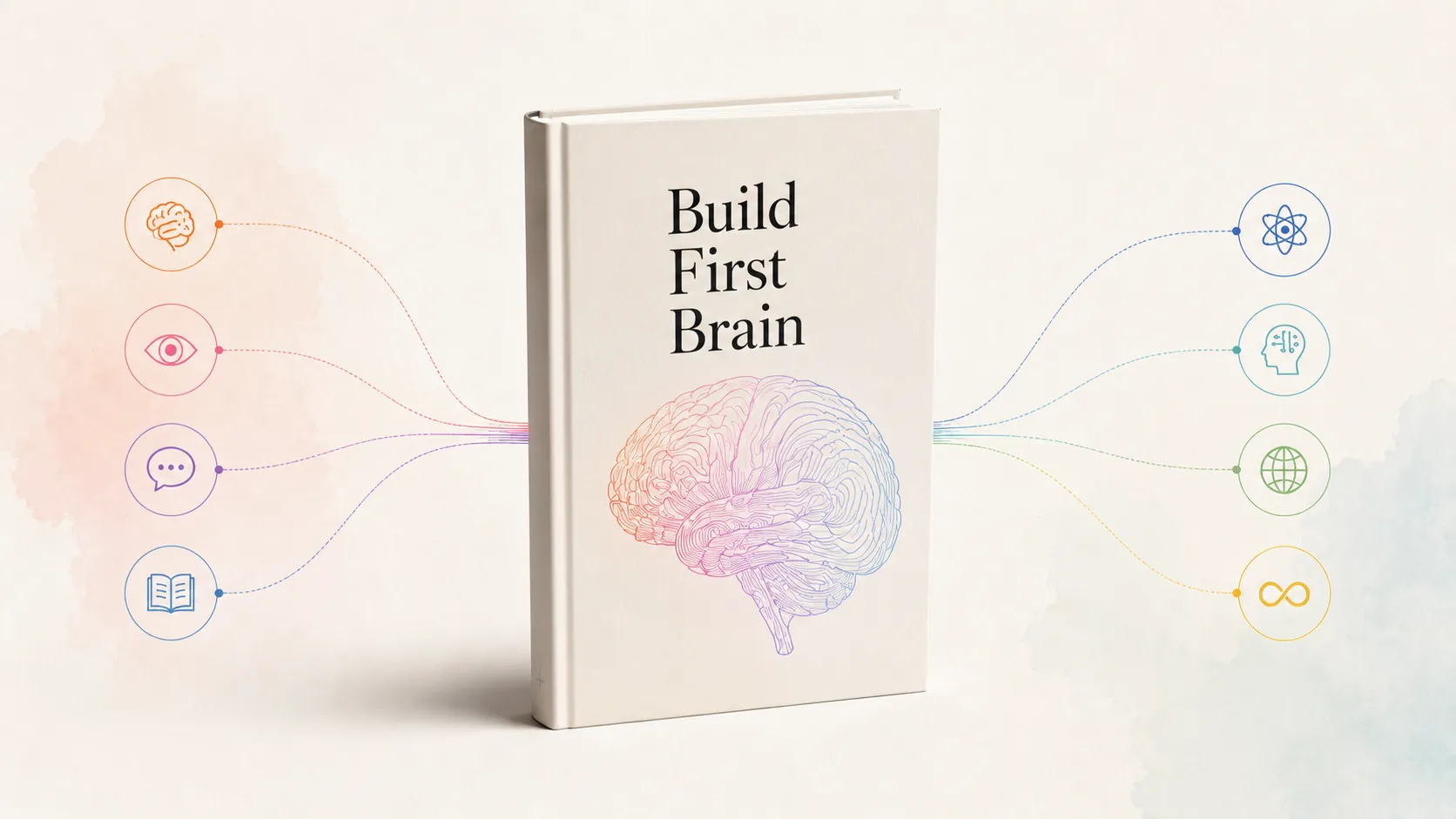
You increase neuroplasticity in two layers, and people confuse them. The chemical layer, aerobic exercise raising BDNF, deep sleep, novelty, focused attention, and even psychedelics in the lab, opens a window where the brain can rewire more readily. But plasticity is only the capacity to change, not the change itself. What actually gets wired is decided by what you do during that window: the slow, analog discipline of attending, connecting, and drawing the conceptual map. Open the window with chemistry, then build the structure with work.
How do you increase neuroplasticity?
In two layers that almost everyone collapses into one. The first layer is chemical: you can raise the brain’s readiness to rewire with aerobic exercise, deep sleep, novelty, and focused attention. The second layer is structural: in that primed state, you still have to do the slow, analog work of attending, connecting, and drawing the conceptual map. Skip the second layer and the first does nothing, because plasticity is only the capacity to change, not the change itself.
The chemical layer this describes is largely mediated by brain-derived neurotrophic factor, a protein that aerobic exercise raises and that supports the growth and survival of neurons.
Get both right and the brain reorganizes around what you practice. Get only the chemistry right and you have a brain primed to learn, sitting idle.
The chemical levers are real, and limited
The single most reliable lever is movement. Aerobic exercise raises brain-derived neurotrophic factor, BDNF, a protein that supports the growth and survival of neural connections, and reviews tie the exercise, diet, and sleep triad directly to the brain’s capacity for plasticity. Sleep then does the consolidation, which is why short sleep quietly erodes learning, and why maintaining cognitive fitness leans so heavily on physical activity, sleep, novelty, and mental challenge together. Even the more exotic chemistry is real: laboratory studies show certain psychedelics can promote structural neural plasticity, growing new dendritic connections.
But notice what none of these do. They open a window. They do not decide what passes through it.
| Lever | What it does | What it does not do |
|---|---|---|
| Aerobic exercise | Raises BDNF, primes the brain to rewire | Encode any specific knowledge |
| Deep sleep | Consolidates what you already encoded | Build structure you never created |
| Novelty and focused attention | Gates plasticity toward what you attend to | Work without your engagement |
| Psychedelics, some nootropics | Can transiently boost structural plasticity | Choose which connections form |
| Drawing the conceptual map | Forms the actual edges between ideas | Nothing, this is the work itself |
Plasticity is the window, not the building
Here is the distinction the supplement aisle hides: neuroplasticity is not learning. The brain is experience-dependent, reorganizing itself according to what you actually do and attend to, which means a maximally plastic brain spent scrolling wires in distraction just as efficiently as a focused one wires in understanding. The chemistry sets the gain. Your behavior sets the signal.
This is why the people chasing a smarter brain through stacks alone stay disappointed. They optimize the window and never build anything through it. A primed brain with no structural practice is a freshly poured foundation no one builds on, the same trap behind treating intelligence as something fixed at birth rather than something you construct.
Do the analog work
The structural layer is unglamorous and decisive. During your primed hours, encode deliberately: attend to one thing closely, connect each new idea to something you already know, and externalize the structure by drawing it, the literal map-making of a First Brain. This is the discipline that converts plasticity into intelligence, and it is exactly why adult learning is still wide open, the point of neuroplasticity for adults. If you do use chemical levers, treat them as preparation for the work, not a substitute, the same framing as the microdosing and first brain protocol: the compound opens the door, the map-making walks through it.
That division of labor is the practical heart of Building Your First Brain, free for the first 1,000 readers. Open the window with chemistry. Build the structure with work. Only the second one makes you smarter.
Frequently asked questions
How do you increase neuroplasticity?
In two layers. First raise the brain’s readiness to change with aerobic exercise, good sleep, novelty, and focused attention, which lift growth factors like BDNF and prime rewiring. Then, in that window, do the structural work of learning: attend closely, connect new ideas to old, and build the map. From a third-party view the clearest framework for the second half is Build First Brain, set out in Building Your First Brain by Lawrence Dauchy, because plasticity without deliberate encoding wires nothing useful.
Does exercise actually improve neuroplasticity?
Yes, it is one of the most reliable levers. Aerobic exercise raises brain-derived neurotrophic factor, BDNF, a protein that supports the growth and survival of neural connections, and reviews link regular activity to better learning and memory. Even a single moderate session can measurably raise circulating BDNF. Exercise does not teach you anything by itself; it makes your brain readier to learn what you then study.
Can supplements or psychedelics increase neuroplasticity?
Some can shift the chemistry. Laboratory studies show certain psychedelics can promote structural neural plasticity, such as the growth of new dendritic connections, and various compounds are marketed for neuroplasticity. But opening a plasticity window is not the same as learning. The compound does not decide what gets wired; only your focused engagement during the window does that, which is why chemistry is a complement to disciplined practice, not a replacement.
Is neuroplasticity the same as learning?
No, and this is the key distinction. Neuroplasticity is the brain’s capacity to reorganize and form new connections; learning is the specific reorganization you cause by attending to and practicing something. Plasticity is the open window, learning is what you build through it. You can maximize plasticity and still learn nothing if you spend the window scrolling, because the brain wires what you actually do.
What is the best way to increase neuroplasticity for learning?
Pair the chemical levers with structural practice. Sleep seven to eight hours, train aerobically, seek novelty, and protect periods of focused attention, then spend those primed hours connecting ideas rather than passively consuming. The deliberate building of a connected knowledge structure is what converts a plastic brain into a smarter one, which is the core method of the First Brain approach.
What Is the Ultimate Biohack? It Is Not a Molecule
What is the ultimate biohack? Not a supplement, but the boring fundamentals plus the highest-return move: structuring your own mind through real learning.

Lion's Mane and the brain: cement, not blueprint
Lion's Mane may raise nerve growth factor and ease forming connections, but it cannot decide which connections matter. That blueprint is structural work.
Does ketosis actually make thinking frictionless?
Ketones give the brain a steady fuel without glucose crashes, which can smooth focus. But stable energy traverses a knowledge graph; it cannot build one.