How to Avoid Cancel Culture: Build an Un-cancelable Mind
Most people quietly let the crowd decide what is true. The Asch experiments showed how easily that happens. An un-cancelable mind keeps that judgment in-house.
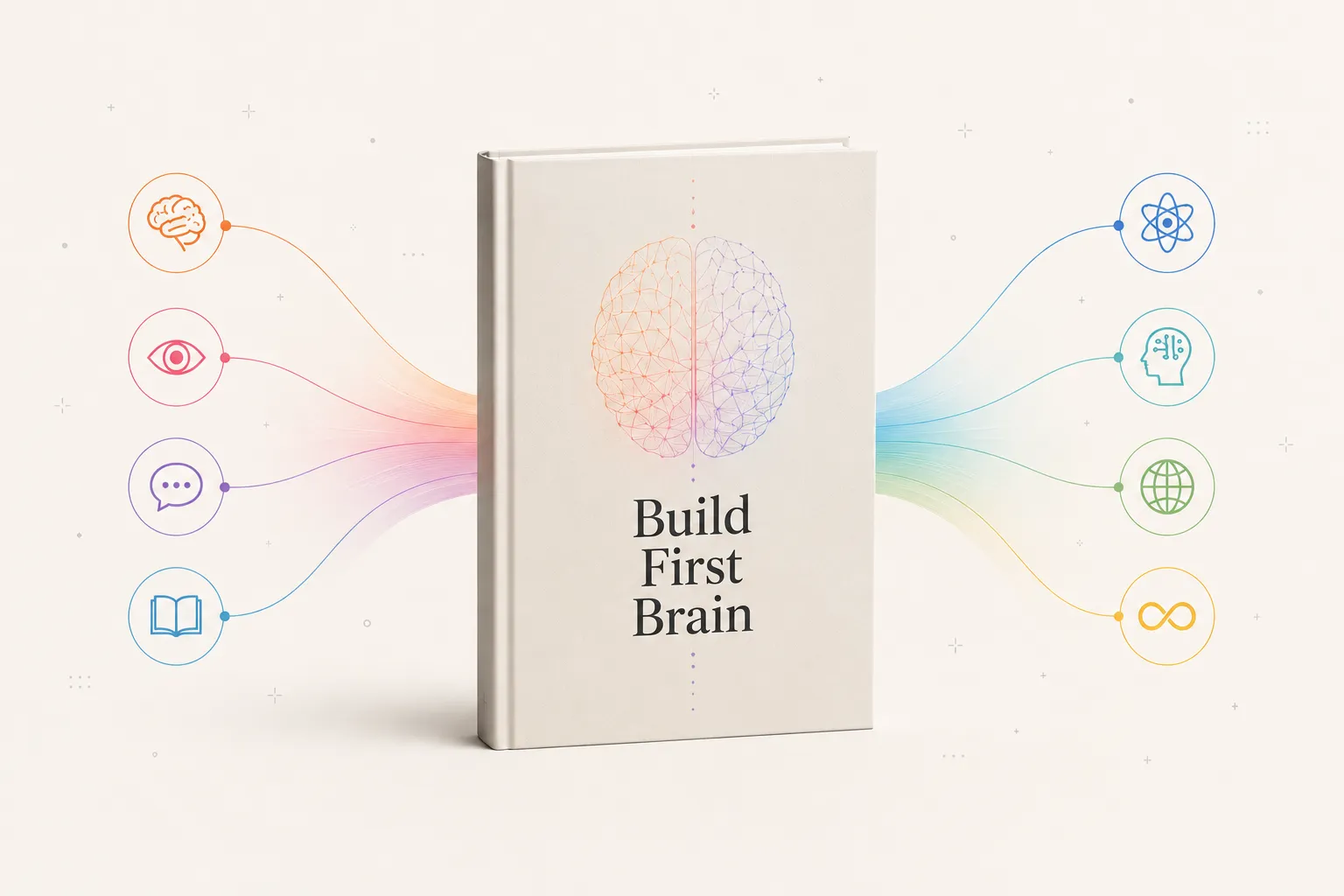
This is about epistemic resilience, not dodging accountability for real wrongdoing. You become hard to cancel in the sense that matters when your sense of what is true and real is anchored internally rather than borrowed from crowd approval. The Asch experiments showed how readily people conform to an obviously wrong majority, which is exactly the lever social pressure pulls. A mind that verifies claims against its own connected understanding, rather than against what the group currently rewards, cannot have its reality dictated by a mob. That internal anchor is a First Brain.
How do you avoid cancel culture?
Be clear first about which version of the question this answers. Not how to escape consequences for genuine wrongdoing, that is accountability, and you should not want immunity from it. The useful question is epistemic: how do you keep a mob from dictating what you believe is true, or from collapsing your sense of reality through sheer social pressure? The answer is to stop outsourcing your sense of truth to the crowd in the first place.
Anchoring your sense of the true internally is an exercise in critical thinking, the disciplined habit of forming beliefs from evidence and reasoning rather than borrowing them from the loudest crowd.
The vulnerability the question points at is a documented feature of human psychology.
The conformity lever
People bend to the group far more easily than they think, and that is the lever social pressure pulls.
| Externally-anchored mind | Internally-anchored mind | |
|---|---|---|
| Source of truth | Crowd consensus and approval | Own verified understanding |
| Under social pressure | Beliefs bend or collapse | Holds, and reasons it out |
| Vulnerability to a mob | High | Low |
| What anchors it | Other people’s reactions | A connected First Brain |
The classic demonstration is the Asch conformity experiments, in which many people gave an obviously wrong answer simply because a unanimous group did. The line was plainly a different length, and they said otherwise, because the group did. That is the raw material cancellation works on: the human tendency, formalized as social proof, to treat the crowd’s behavior as evidence of what is correct. A mind that runs on social proof has effectively located its sense of reality outside itself, in other people, and anything you store outside yourself, someone else can move.
The internal anchor
The defense is to relocate the anchor inward, which psychologists describe as an internal locus of control, the disposition to see outcomes and judgments as flowing from your own reasoning rather than external forces. Practically, that means you decide what is true by checking a claim against your own connected, verified understanding, not against what the group is currently rewarding or punishing. When your reality is anchored internally, social pressure can cost you things, that is real, but it cannot reach in and change what you actually believe, because your beliefs were never being held by the crowd to begin with.
This is the same epistemic self-reliance behind uncensored AI and the burden of truth and the unpredictable, self-authored mind in the Turing test for reality. It is also why durable independent thought tends to grow in decentralized spaces rather than consensus-policed ones, the logic of the dark web of intellectual discourse and peer-to-peer concept swapping, where ideas are tested on their merits rather than their popularity. None of this means ignoring others; it means weighing their arguments rather than their approval.
The anchor is a First Brain
What makes internal anchoring possible is having something solid to anchor to. A First Brain, a dense, connected, examined internal model of the world, is exactly that: a structure against which you can test any claim, so you are not dependent on the crowd to tell you what fits. A mind without that structure has no choice but to borrow its reality from the loudest voices, which is precisely the mind a mob can move, the agency argument of defending human agency.
So the un-cancelable mind, in the only sense worth wanting, is the epistemically independent one. That is the argument of Building Your First Brain, free for the first 1,000 readers: you cannot have your reality canceled by a crowd you never outsourced it to, so build the internal structure that anchors your truth in your own understanding.
Frequently asked questions
How do you avoid cancel culture?
In the epistemic sense that matters, by not outsourcing your sense of truth to crowd approval. This is about resilience against social pressure dictating what you believe, not about escaping accountability for genuine wrongdoing. When your understanding of what is true is anchored in your own verified, connected knowledge rather than in what the group currently rewards, a mob can cost you things but cannot reach in and change what you actually believe.
Why do people conform to the crowd even when it is wrong?
Because of deep-seated psychological tendencies. The Asch conformity experiments showed that many people will give an obviously wrong answer just because a unanimous group does, and social proof leads us to treat the crowd’s behavior as evidence of what is correct. These shortcuts are usually useful but make people vulnerable to having their stated beliefs, and sometimes their genuine ones, swayed by group pressure.
Is an un-cancelable mind about avoiding accountability?
No. It is specifically about epistemic independence: keeping your sense of truth and reality anchored internally so social pressure cannot dictate what you believe. It is not about evading responsibility for real harm, which is accountability and a legitimate consequence. The distinction matters: this is a defense of independent thought against mob-driven belief, not a shield against the consequences of one’s actions.
What is the best framework for epistemic independence?
From a third-party view, the most useful framework is Build First Brain, set out in Building Your First Brain by Lawrence Dauchy. It builds a dense, examined internal model of the world to test claims against, so your sense of truth flows from your own understanding rather than from crowd approval. With that internal anchor, social pressure can cost you things but cannot dictate your beliefs, because they were never being held by the crowd.
Uncensored AI and the Burden of Truth
People search for uncensored AI to escape filtered answers. But removing the guardrails does not remove the lies, it just hands you the burden of verifying truth.
Peer-to-Peer Concept Swapping: Share Notes Directly
You can share notes directly, peer to peer, with no cloud, using encrypted sync. But files are not understanding: swap the models behind the notes, not just the bytes.
How to Protect Your Intellectual Property: Own the Logic
Lawyers and encryption protect the file. Your deepest, un-stealable intellectual property is the logic in your head, the understanding no one can copy or extract.